

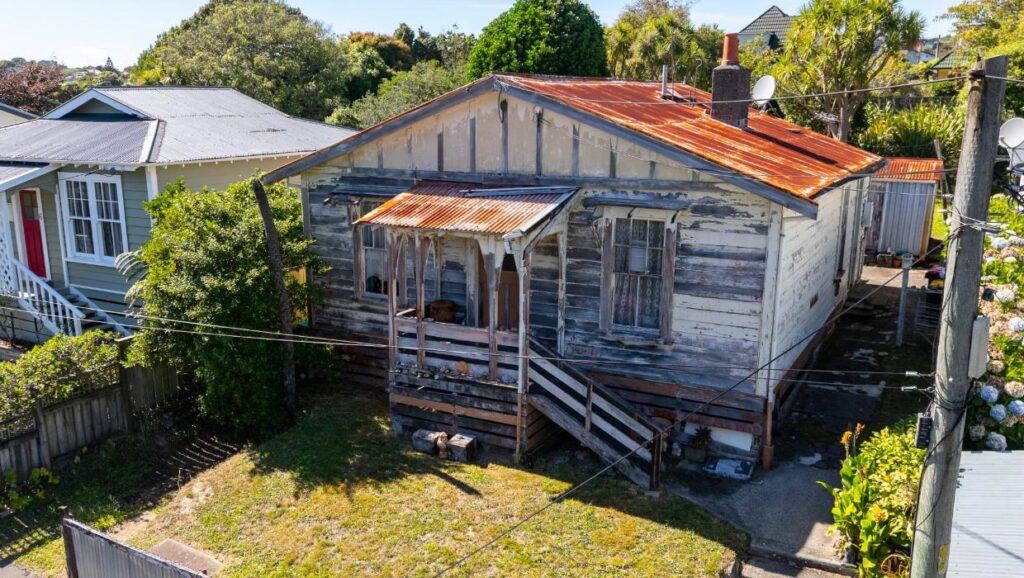
Renovator-flippers are back in the market, after a two-year hiatus, and buyer demand for this rundown character railway cottage in Wellington is proof.
The property, at 4 Ngata St, Ngaio, sold today after 10 offers were received at tender, eight of them from buyers looking to renovate and sell. However, the successful buyers have not specified whether they will live in the house or sell it on.
Gareth Robins of Collective First National, who listed the property with Aleisha Price, says that while the actual price cannot be released till settlement, it was “upwards of $645,000”. He says there was a $350,000 spread between the lowest and highest offers, which probably reflects the buyers’ circumstances: “People with DIY skills can usually offer a better price than those who will be looking at using contractors.”
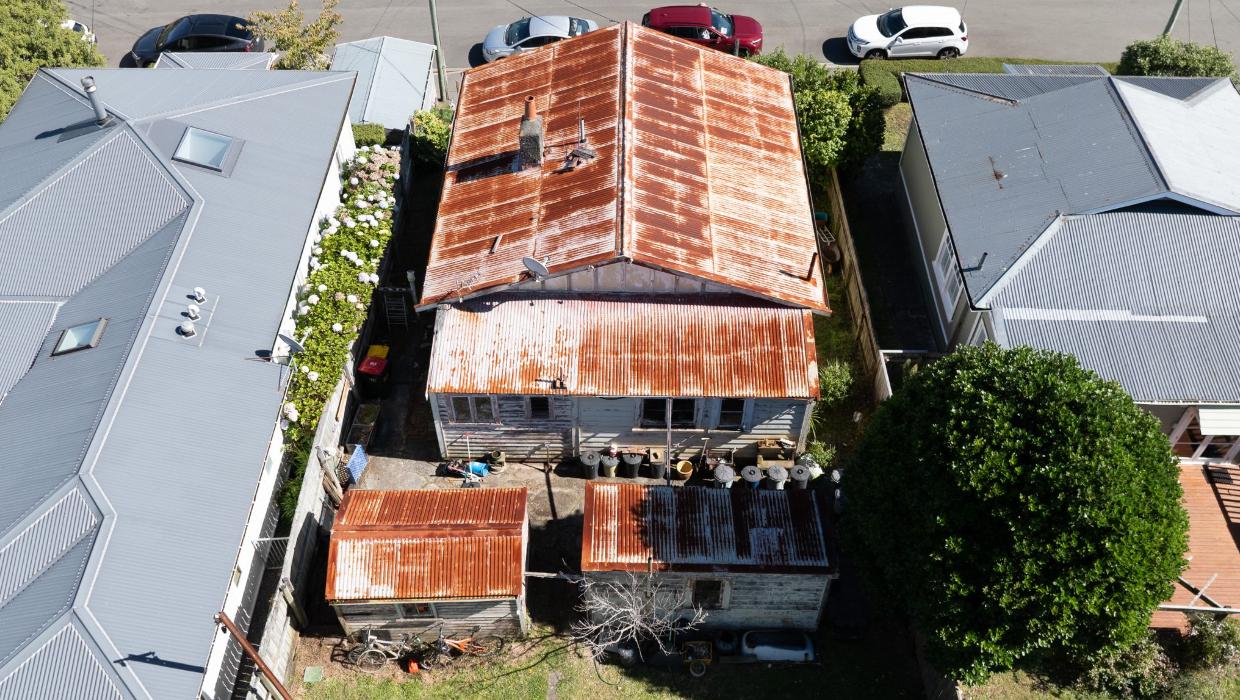
Cottages either side of the latest one to sell have already been renovated. Photo: Collective
The property has a CV of $880,000, but Robins says this is considerably out of date. “The current owners bought it off the railways in 1988 [for $85,000] and there hasn’t been a sale since then, so the council doesn’t have a more current idea of its state and [subsequent] value.”
A considerable profit. Robins says a fully renovated railway cottage on neighbouring Tarikaka St (number 46) went for $1.25 million recently. “It’s exactly the same size as this one and in the same heritage zone, but the section is not as good as this one, which is more or less flat. You could argue that when the Ngata St property is done up it could be worth $1.3 million.
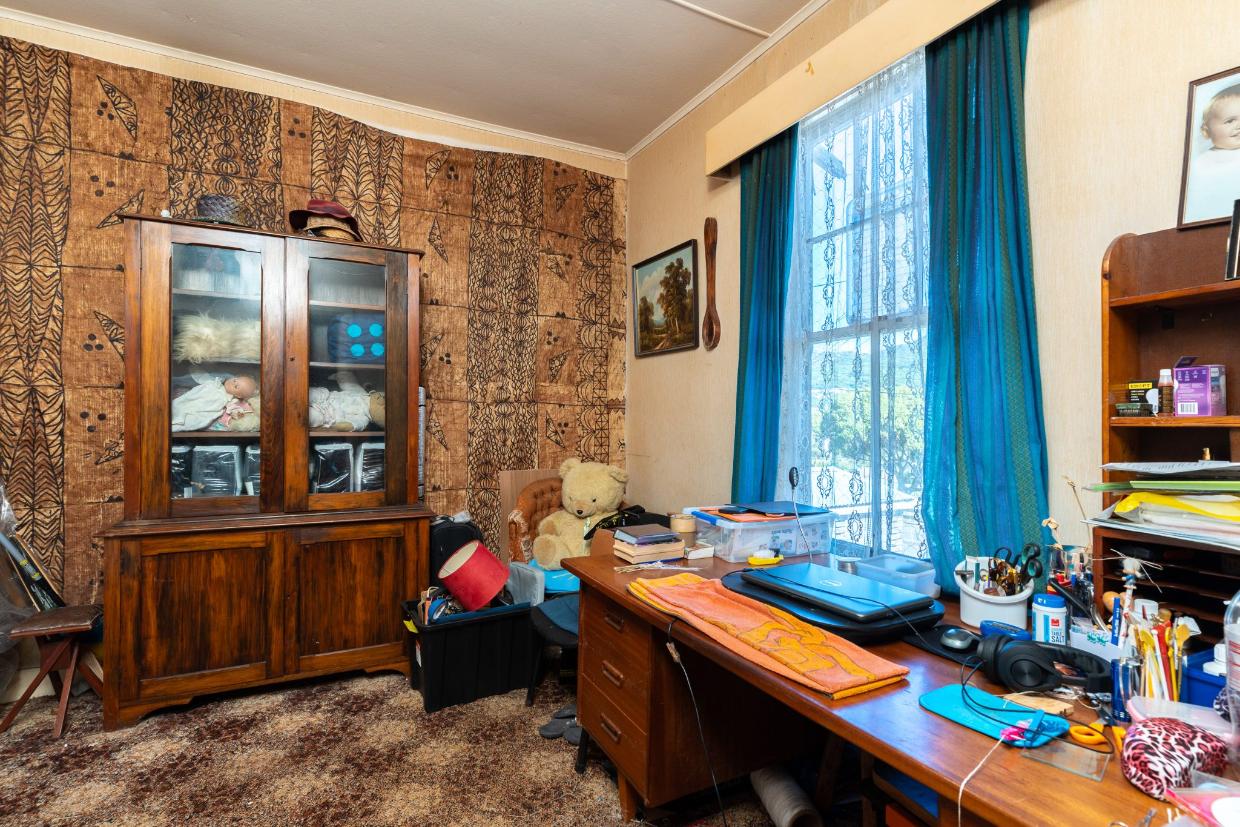
The cottage has been home to the same family for the past 37 years. The family bought it from New Zealand Railways in 1988 for $85,000. Photo: Collective
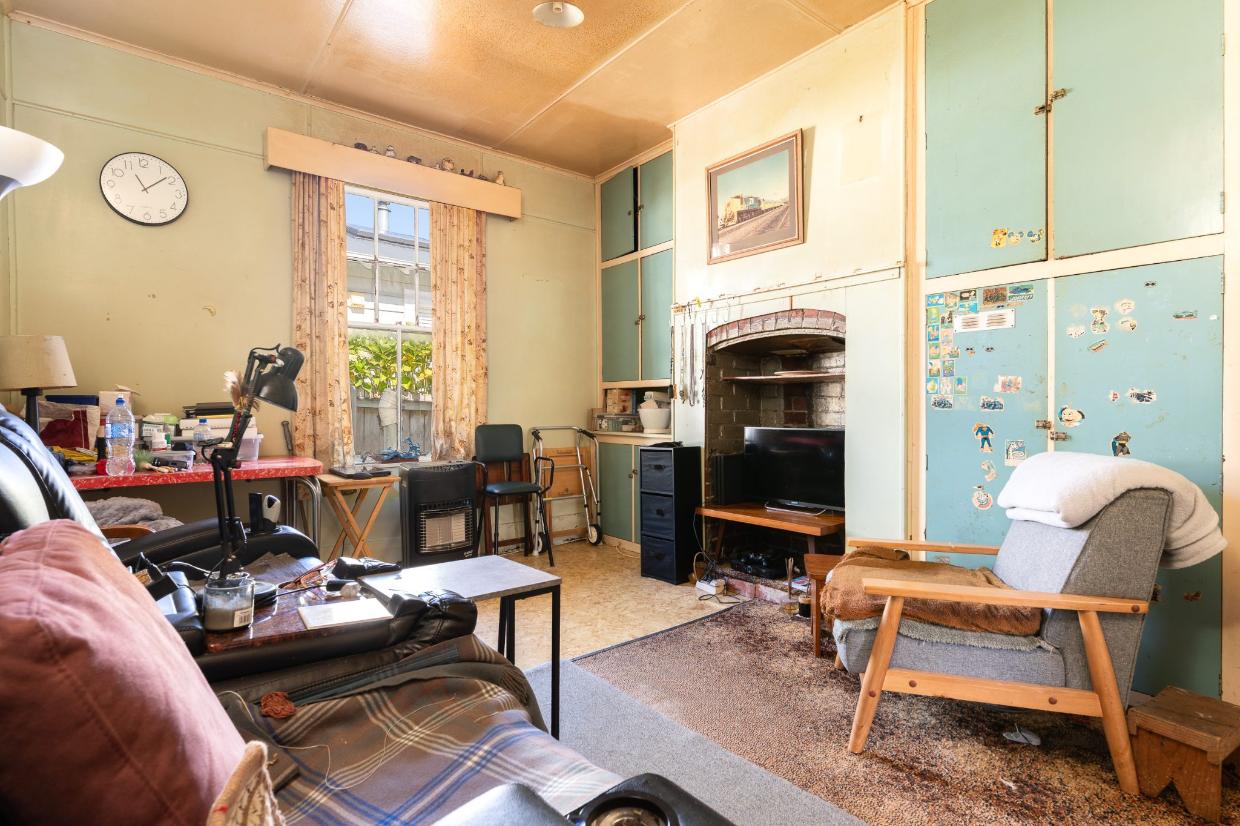
Original features are still in place. Photo: Collective
“People pay a premium in this little enclave, because of the character of the heritage zone.”
Robins says the past three to six months have seen “quite a lot of renovators and flippers coming back in the area”. “Not much was happening in the two years prior to that. With high interest rates and the state of the economy, it wasn’t an ideal market. But people can see things are now starting to improve.”
The new owners of this property are getting a three-bedroom, one-bathroom 92m² house described in the listing as “a diamond in the rough that needs plenty of polishing”. Built in the 1920s for railway workers, the house still has many of its original features, including the symmetrical, decorative front porch, and old kitchen cupboards probably added slightly later – one covers part of the window frame.
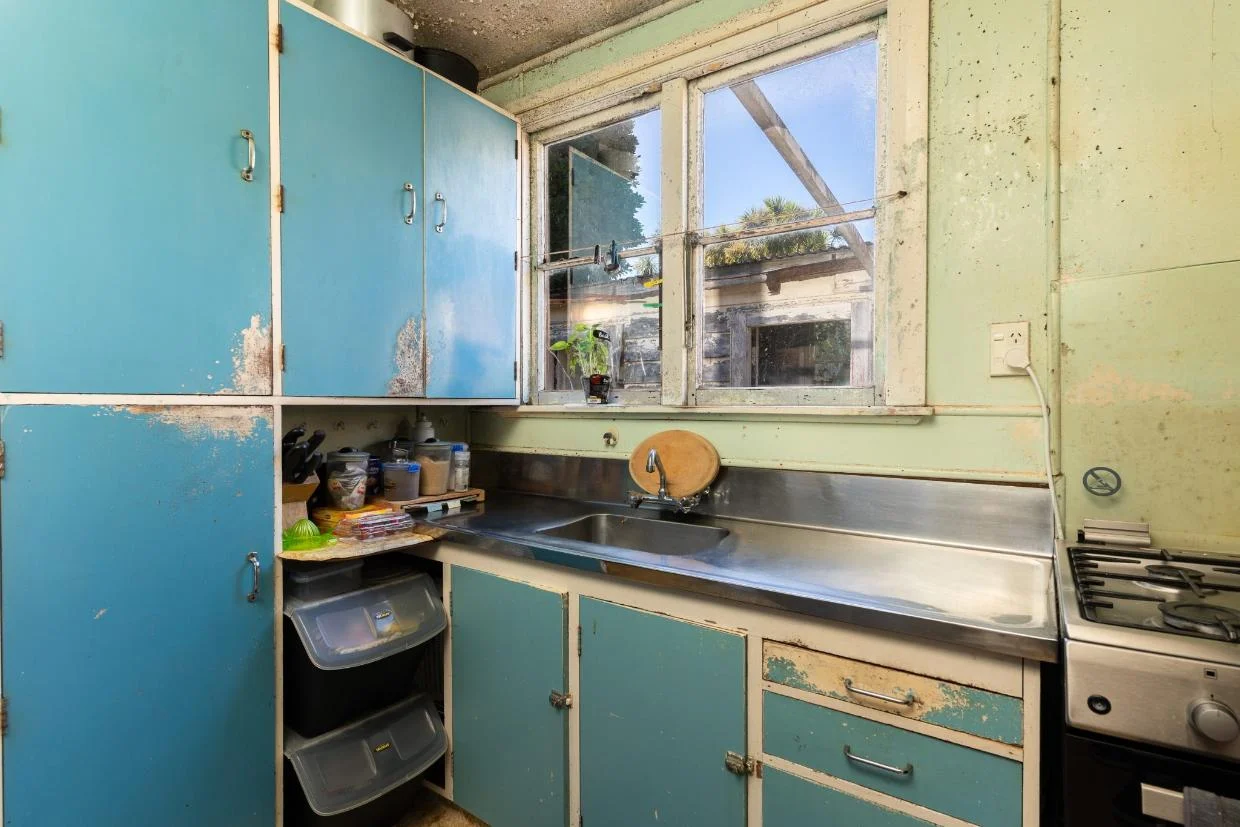
Kitchen cabinetry that was probably added in the ‘40s includes cupboards covering part of the window frame. Photo: Collective
The house sits on a 641m² site, with a northwest aspect, and enjoys sun all day.
Suggested renovations included bring the existing house back to life on the same footprint, or remodelling the existing house and extending out the back as many other owners of these cottages have done.
The Rail Heritage Trust of NZ says on its website that the Ngaio settlement was one of several in the North Island to feature mass-produced architecturally designed cottages. In what was one of this country’s earliest examples of kitset production, the timber, from railways-owned indigenous forests, was cut and numbered in a factory in Frankton and sent by rail to the settlements. Construction usually took a mere two to three weeks.
“When the factory closed in 1929 over 1591 houses plus other buildings had been made, the majority in the period 1924-27.”
CoreLogic puts the median value of properties in Ngaio at $949,696. The company says property values in Aotearoa New Zealand rose by +0.5% in March, the strongest since January last year.
Chief property economist Kelvin Davidson says the latest figures signal the market is now into a new growth phase, on the back of lower interest rates and improved affordability after the previous value falls.
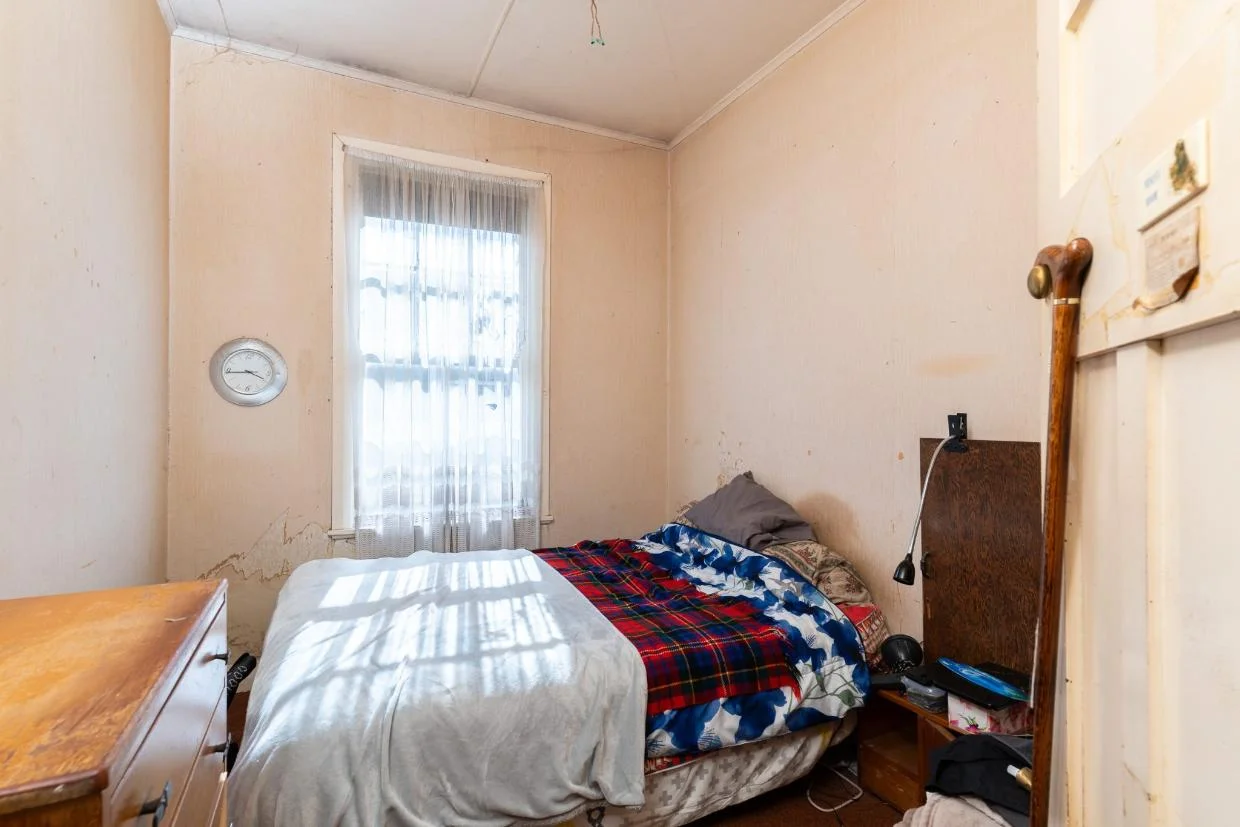
The cottages were simply designed and built from kitsets using timber from railways-owned indigenous forests. They took just two to three weeks to build. Photo: Collective
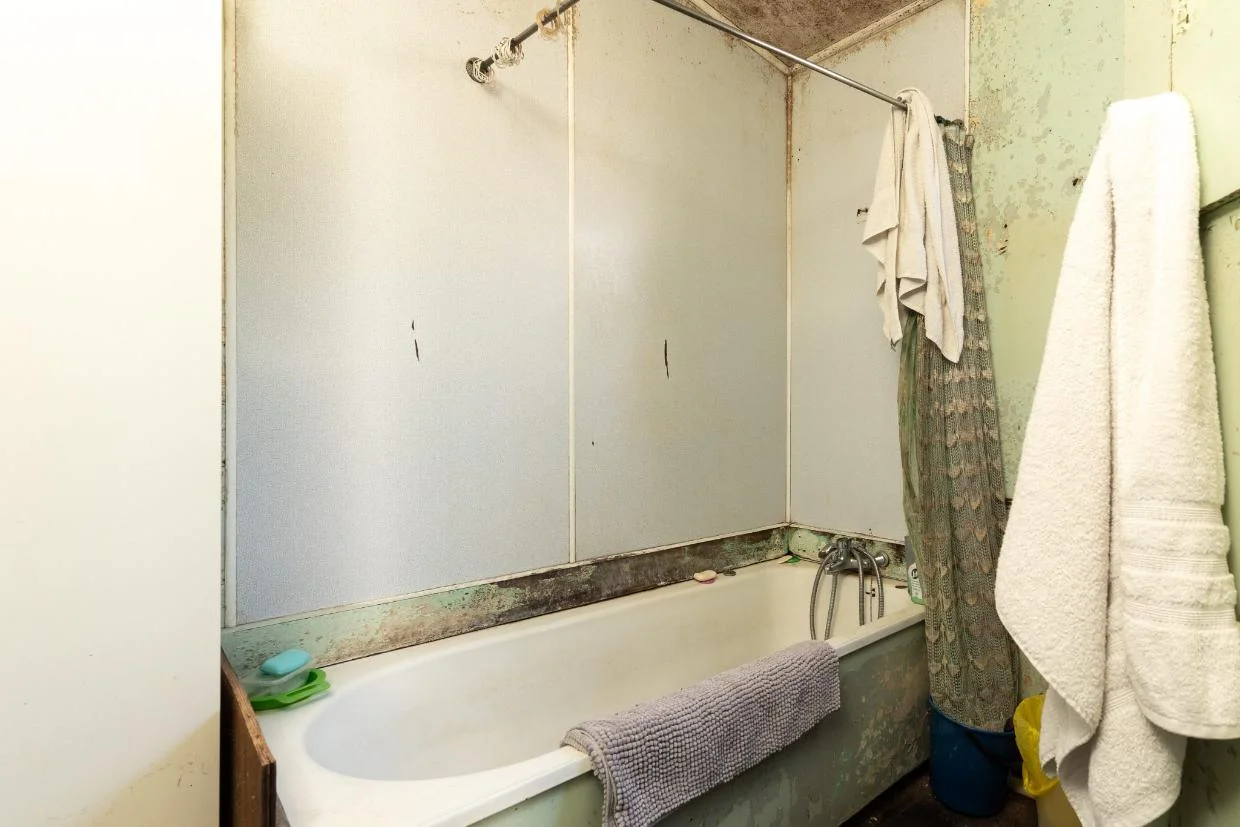
The new owners will give the entire house a new lease of life. Photo: Collective
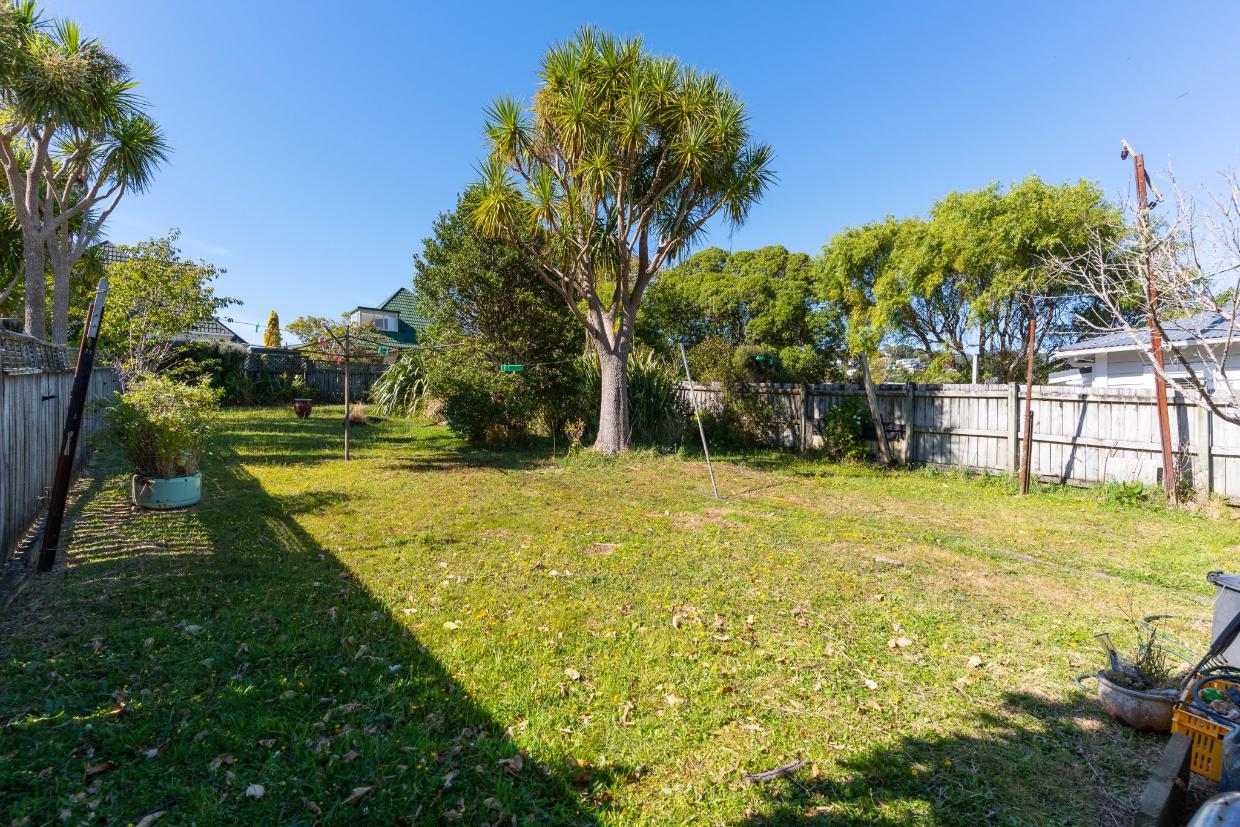
The 641m2 section was another drawcard. Photo: Collective